Water Damage – Is It Really Dry? IR, Meters, and Final Sign-Off Guide
pr-admin • September 23, 2025

September 23, 2025

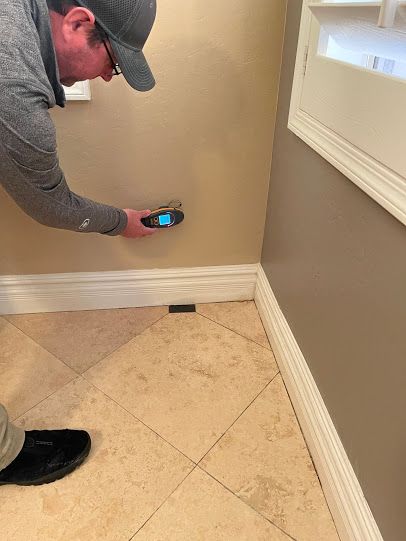
Person using a handheld device to inspect a beige wall corner near a window and tiled floor.

Drying isn’t a guess; it’s measured. Walls can feel cool to the touch and still hold hidden moisture that leads to warping or mold later. The goal is objective proof: tools that see inside materials, daily readings that trend in the right direction, and a final sign-off that says the structure is back to its normal baseline. When you know what the numbers mean, you can ask better questions and feel confident about the finish line.

Is Water Damage Really Dry

Homeowners ask this all the time: are you sure the water damage is really dry? The answer comes from three things—infrared imaging, moisture meters, and a dry-standard comparison. IR shows temperature patterns that can suggest moisture, meters measure actual content by material, and “dry standard” means the normal level for that same area of your home (or a similar, unaffected material) under current conditions.

Infrared: Where to Point the Meters

Infrared (IR) cameras don’t measure moisture directly; they map surface temperatures. Wet areas often read cooler due to evaporation. That makes IR a great first pass to locate anomalies—dark, cool shapes around baseboards or beneath windows—so the technician knows where to probe with meters. IR is a pointer, not a verdict.

Moisture Meters: The Numbers That Matter

Pin meters drive tiny probes into material to read moisture content (MC) in percent for wood and relative scales for drywall and plaster. Pinless meters use a sensor pad to scan quickly without holes—ideal for large walls and ceilings. Readings are taken in the same locations daily to confirm progress. For wood framing, you’re often aiming below ~15% MC (context matters); for drywall, targets are relative to unaffected comparables.

Water Damage – Establishing the Dry Standard

Before drying starts, a tech takes baseline readings in unaffected areas: framing, drywall, cabinetry, subfloor. Those become the “dry standard.” The job isn’t finished just because readings went down; it’s finished when affected areas match the baseline within a reasonable tolerance and ambient conditions are stable.

What a Proper Sign-Off Looks Like

A good sign-off includes final meter readings, photos of meter displays at test points, and ambient RH/temperature. It should also document equipment removal and note any areas requiring rebuild. When you receive that packet, you’re not taking someone’s word—you’re looking at verified data that says the structure is ready.

If you want a second look, we can review a vendor’s readings and confirm whether the dry standard has truly been met before you move into repairs.

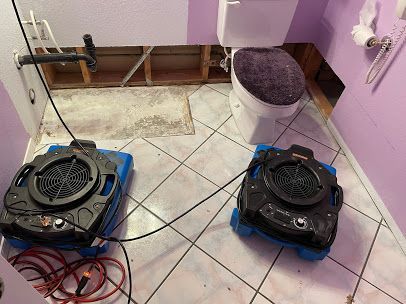
Two black floor machines on blue pads in a tiled room with exposed pipes and a bucket.
By pr-admin December 29, 2025
A sewage backup is one of the most stressful home emergencies because it’s not just messy—it’s a health concern. It’s also one of the situations where good intentions can lead to bigger problems if cleanup isn’t handled correctly. Sewage backup cleanup is different from “normal” water damage because contaminated water can carry bacteria, viruses, and... The post Sewage Backup Cleanup: What’s Safe, What’s Not, and When to Call a Pro first appeared on Premier Restorations.
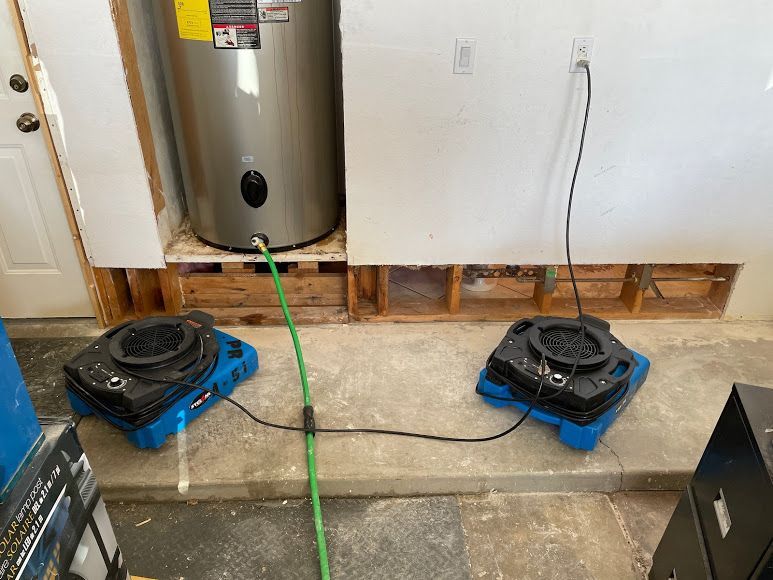
Two box fans on the floor beside a water heater and wall opening in a basement or utility room.
By pr-admin December 12, 2025
A water heater usually sits quietly in the background—until it doesn’t. When a leak starts, it can go from “a little puddle” to serious water damage faster than most homeowners expect, especially if the unit is tucked into a garage corner or a closet you don’t open often. Knowing the most common water heater leak... The post Water Heater Leak: Early Warning Signs and What to Do First first appeared on Premier Restorations.
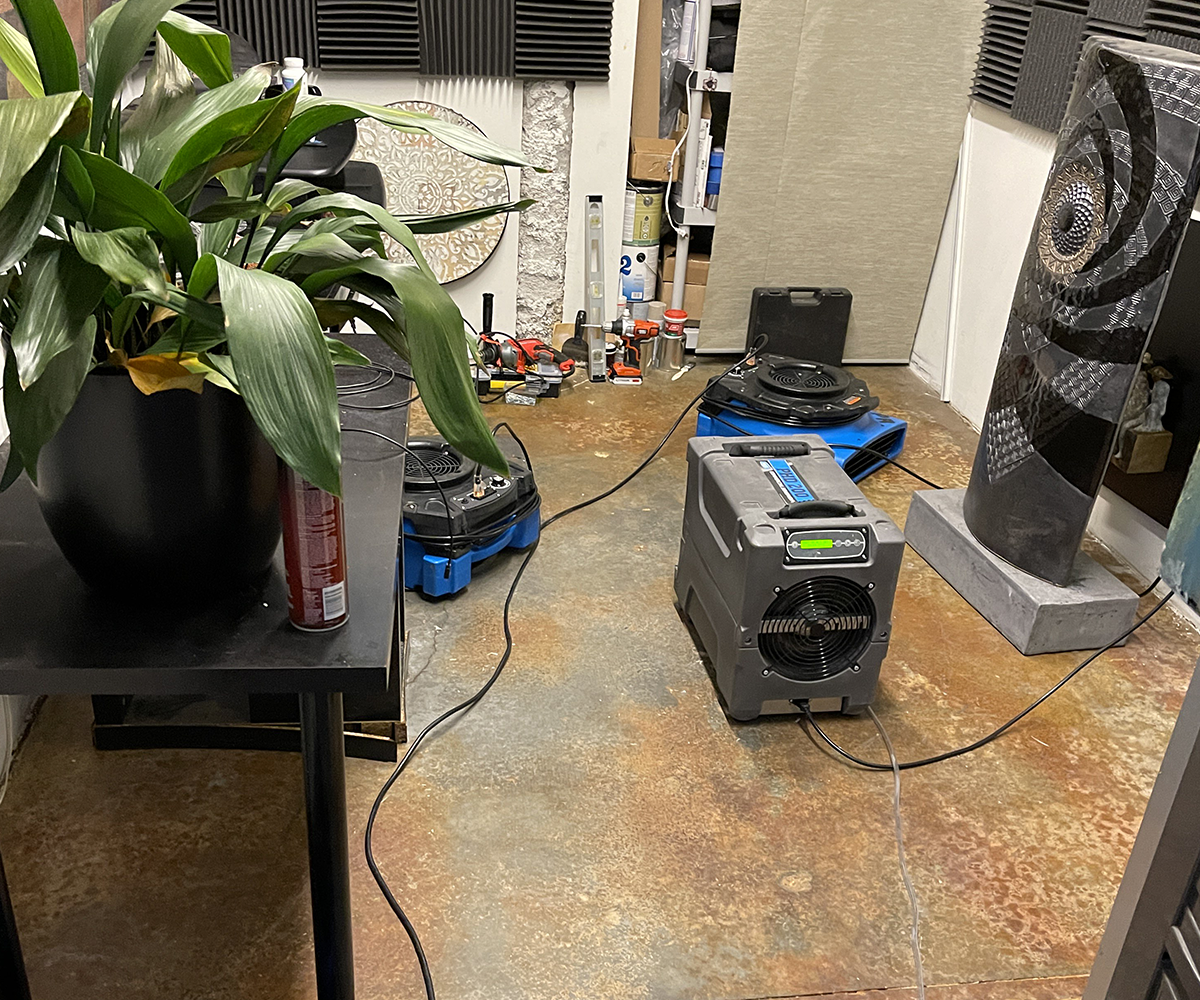
Indoor room with audio gear, a potted plant, and cables on the floor near a speaker and equipment rack
By pr-admin November 28, 2025
Water damage looks deceptively simple at first glance. Floors are wet, maybe a rug or two is soaked, and everything feels manageable with a few box fans. But structural drying is one of those situations where the surface rarely tells the full story. Understanding the difference between DIY vs. professional drying helps you avoid the... The post DIY vs. Professional Drying: When Fans Are Enough and When They’re Not first appeared on Premier Restorations.

Show More →
