Water Damage Claims: Insurance-Ready Photo & Log Tips
pr-admin • September 13, 2025

September 13, 2025

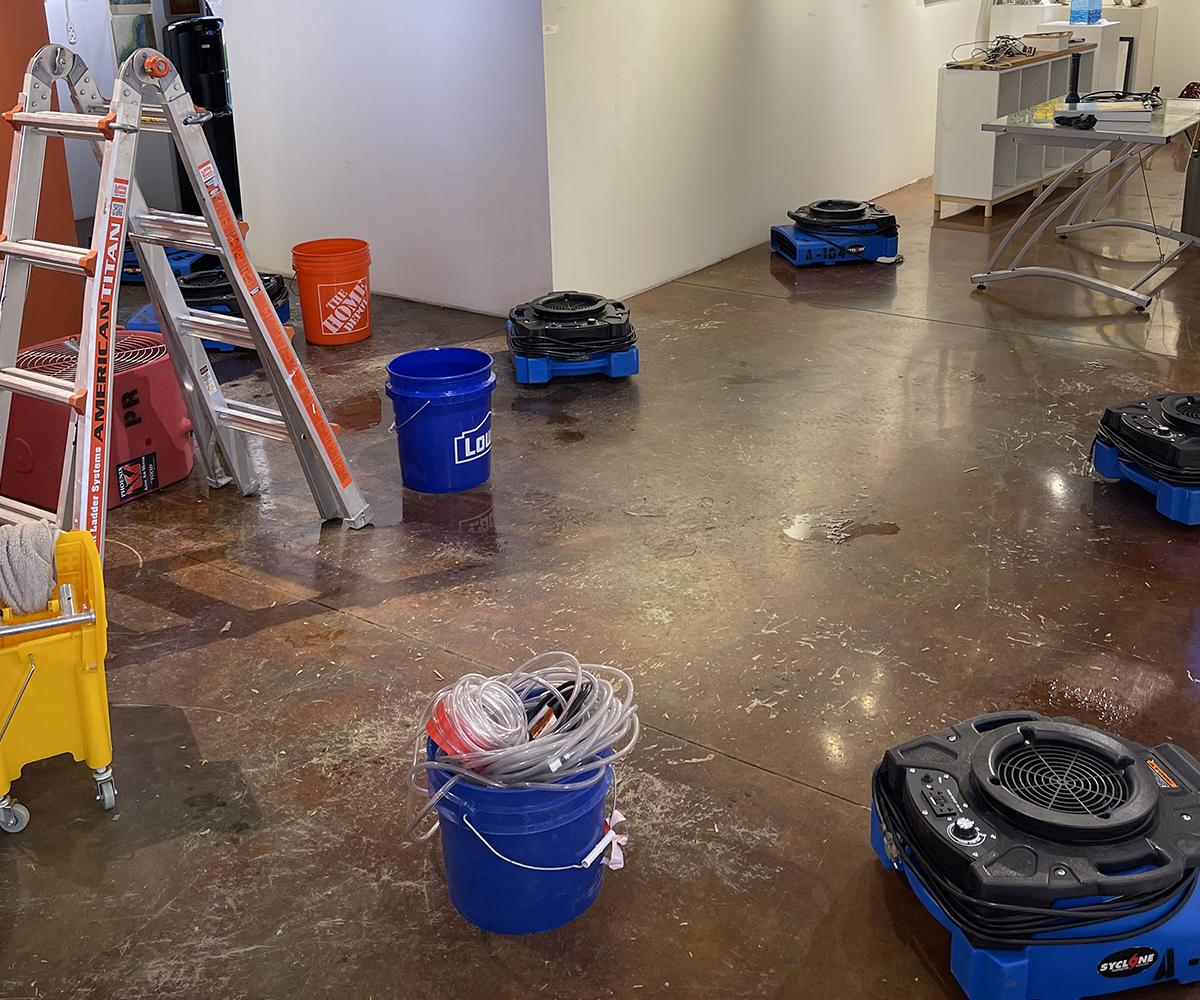
Wet room with cleaning supplies, buckets, and floor scrubber machines on a shiny concrete floor.

When water damage turns life sideways, the last thing you want is paperwork confusion. Clear documentation doesn’t have to be complicated or technical. Think of it as telling a simple, honest story: what happened, where the water went, what you did about it, and how you know the home is ready to rebuild. When that story is easy to follow, approvals tend to move faster.

Why Insurance-Ready Water Damage Evidence Matters

Carriers aren’t looking for drama; they’re looking for clarity. Insurance-ready evidence shows the problem, the plan, and the proof that each step made progress. It helps your adjuster say “yes” without a dozen back-and-forths—and helps future buyers (and their inspectors) understand the home was dried and repaired the right way.

Photos That Tell the Story

Start wide, then move closer:

  • Room shots from corners to show overall context.

  • Close-ups of damage patterns (wet baseboards, swollen flooring, staining).

  • Meter screens next to the surface being measured so numbers are visible.

  • Before / during / after so progress is obvious at a glance.
    Little touches help: a tape measure for scale, a sticky note labeling the wall (“North Wall, Living Room”), and brief captions like “Day 2—subfloor readings trending down.”

Simple Water Damage Logs You Can Keep

You don’t need a fancy form. A daily note works:

  • Date and time crews arrived/left

  • Room-by-room moisture readings (just list the spots you’re tracking)

  • Temperature and humidity (snap the dehumidifier display if easier)

  • Any changes (added an air mover, removed baseboard, opened a cavity)
    Consistency matters more than jargon. If you can skim the log and see progress day by day, so can your adjuster.

Insurance-Ready Water Damage Evidence: What Adjusters Expect

Most carriers are used to a few familiar elements:

  • Moisture map: a simple floor plan with numbered spots and readings.

  • Itemized scope: a clear list of tasks with quantities (extraction, dehumidification, HEPA air filtration, demolition, cleaning, rebuild).

  • Reason for each step: one-line explanations in plain language (“removed toe-kick to dry cabinet base”).

  • Final verification: photos of dry meter readings, plus any sign-off notes confirming targets were met.

Tips That Make Approval Easier

  • Photograph equipment placement on Day 1; it explains why fans and dehumidifiers were needed.

  • Label photos (“Hall Bath—South Wall”) so they’re easy to match to the moisture map.

  • Keep everything in one folder by day. If you’re emailing, send a single, organized packet instead of scattered attachments.

  • Ask your mitigation team to include a short summary up front: what failed, what got wet, what the plan was, and when goals were reached.

Clear, consistent documentation protects your claim and your home. If you want help assembling the packet, our team includes labeled photos, daily logs, moisture maps, and a clean scope so your adjuster can approve without guesswork.

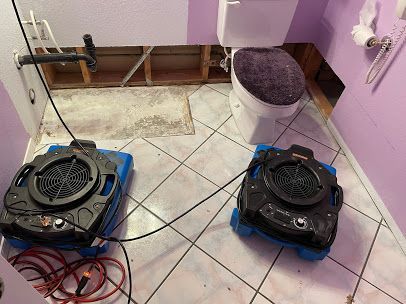
Two black floor machines on blue pads in a tiled room with exposed pipes and a bucket.
By pr-admin December 29, 2025
A sewage backup is one of the most stressful home emergencies because it’s not just messy—it’s a health concern. It’s also one of the situations where good intentions can lead to bigger problems if cleanup isn’t handled correctly. Sewage backup cleanup is different from “normal” water damage because contaminated water can carry bacteria, viruses, and... The post Sewage Backup Cleanup: What’s Safe, What’s Not, and When to Call a Pro first appeared on Premier Restorations.
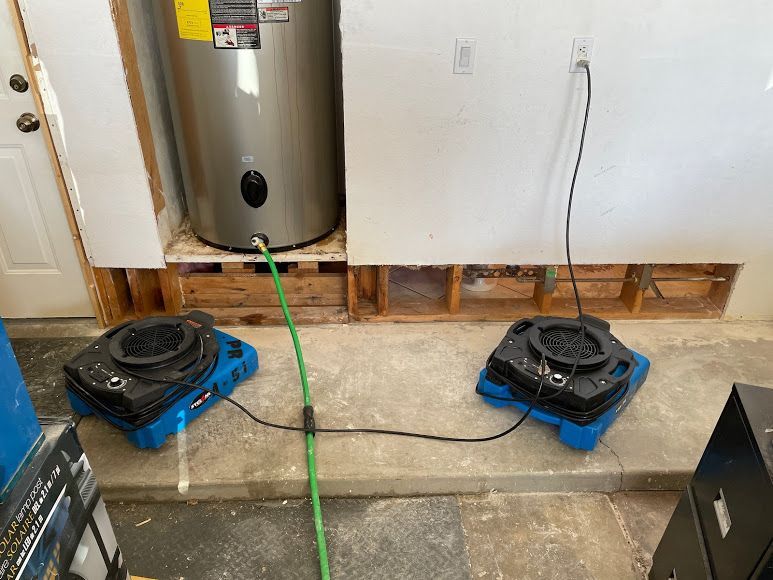
Two box fans on the floor beside a water heater and wall opening in a basement or utility room.
By pr-admin December 12, 2025
A water heater usually sits quietly in the background—until it doesn’t. When a leak starts, it can go from “a little puddle” to serious water damage faster than most homeowners expect, especially if the unit is tucked into a garage corner or a closet you don’t open often. Knowing the most common water heater leak... The post Water Heater Leak: Early Warning Signs and What to Do First first appeared on Premier Restorations.
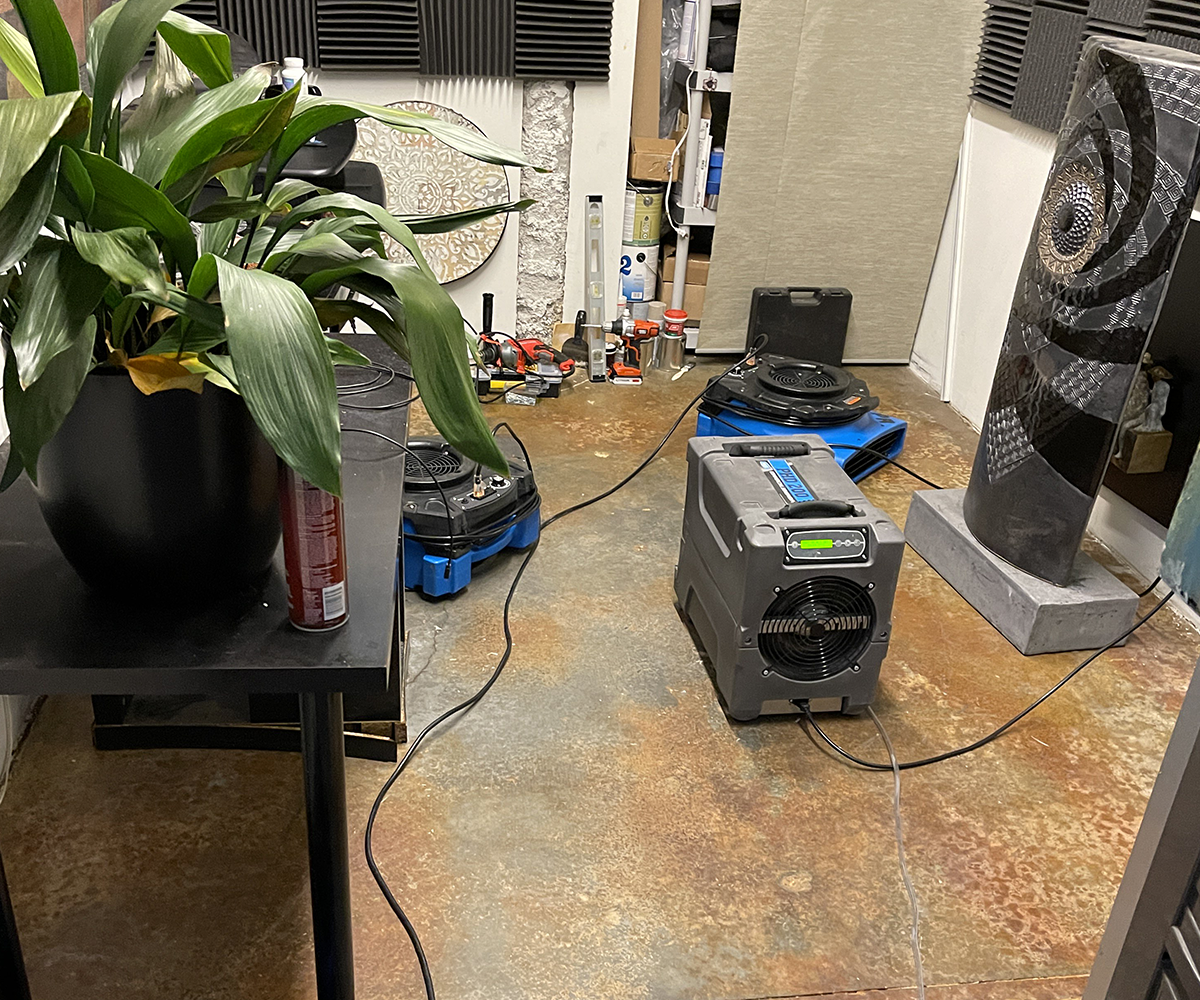
Indoor room with audio gear, a potted plant, and cables on the floor near a speaker and equipment rack
By pr-admin November 28, 2025
Water damage looks deceptively simple at first glance. Floors are wet, maybe a rug or two is soaked, and everything feels manageable with a few box fans. But structural drying is one of those situations where the surface rarely tells the full story. Understanding the difference between DIY vs. professional drying helps you avoid the... The post DIY vs. Professional Drying: When Fans Are Enough and When They’re Not first appeared on Premier Restorations.

Show More →
