Water Heater Leak: Early Warning Signs and What to Do First
pr-admin • December 12, 2025

December 12, 2025

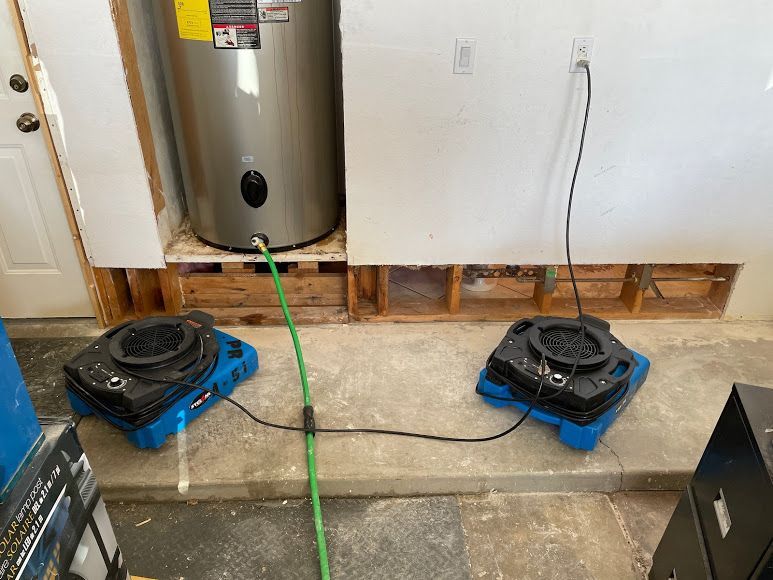
water heater leakA water heater usually sits quietly in the background—until it doesn’t. When a leak starts, it can go from “a little puddle” to serious water damage faster than most homeowners expect, especially if the unit is tucked into a garage corner or a closet you don’t open often. Knowing the most common water heater leak signs helps you catch problems early, limit damage, and make smart next steps without panic.
Common Water Heater Leak Signs to Watch For

A visible puddle is the obvious clue, but it’s not the only one. Some leaks start slowly and show up as dampness near the base of the tank, water staining on nearby drywall, or bubbling paint in a closet. You might notice a musty smell, warped baseboards, or a soft spot in flooring near the water heater area. Rust-colored water, unusual popping sounds, or inconsistent hot water can also be subtle water heater leak signs that the unit is failing or pressure is building inside the tank.

Why Small Leaks Become Big Problems

A slow leak isn’t harmless—it’s persistent moisture, which can soak framing, drywall, insulation, and flooring over time. That moisture creates the conditions where mold can start, materials swell, and damage spreads beyond what you can see. The longer the leak goes unnoticed, the higher the chance of secondary issues that complicate cleanup and repair.

What to Do First When You Suspect a Water Heater Leak

Start by keeping safety and damage control in mind. If you see active leaking, shut off the water supply to the unit. If there’s significant water present, it may also be appropriate to shut off power to the unit for safety—especially if water is near electrical components. Then, contain what you can: place towels or a shallow pan under drips, and move nearby items out of the area to prevent further damage.

Document the Problem Before Cleanup Moves Too Far

Photos and notes matter, especially if the leak affects walls, flooring, or adjacent rooms. Take clear pictures of the water heater, the leak area, and any visible damage. Documenting early water heater leak signs helps establish timeline and severity, which can be important if insurance is involved or if repairs require professional assessment.

When to Call a Restoration Professional

If water has spread beyond a small, easily dried area—or if it’s unclear how far moisture traveled—professional help is often the smarter choice. Restoration teams use moisture detection tools to find hidden water in walls, floors, and insulation. They can also dry the structure properly so repairs don’t get started on damp materials, which is one of the most common reasons damage returns later.

Water Heater Leak – Catching the Problem Early Saves More Than Money

The best outcome is always early detection. Water heater leak signs are often present before a major failure, and noticing them quickly can prevent costly damage, long drying timelines, and avoidable repairs. A quick response keeps cleanup simpler, protects your home’s structure, and helps you move forward with confidence.

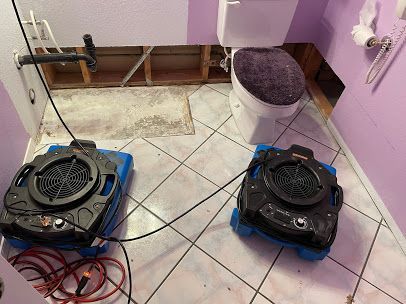
Two black floor machines on blue pads in a tiled room with exposed pipes and a bucket.
By pr-admin December 29, 2025
A sewage backup is one of the most stressful home emergencies because it’s not just messy—it’s a health concern. It’s also one of the situations where good intentions can lead to bigger problems if cleanup isn’t handled correctly. Sewage backup cleanup is different from “normal” water damage because contaminated water can carry bacteria, viruses, and... The post Sewage Backup Cleanup: What’s Safe, What’s Not, and When to Call a Pro first appeared on Premier Restorations.
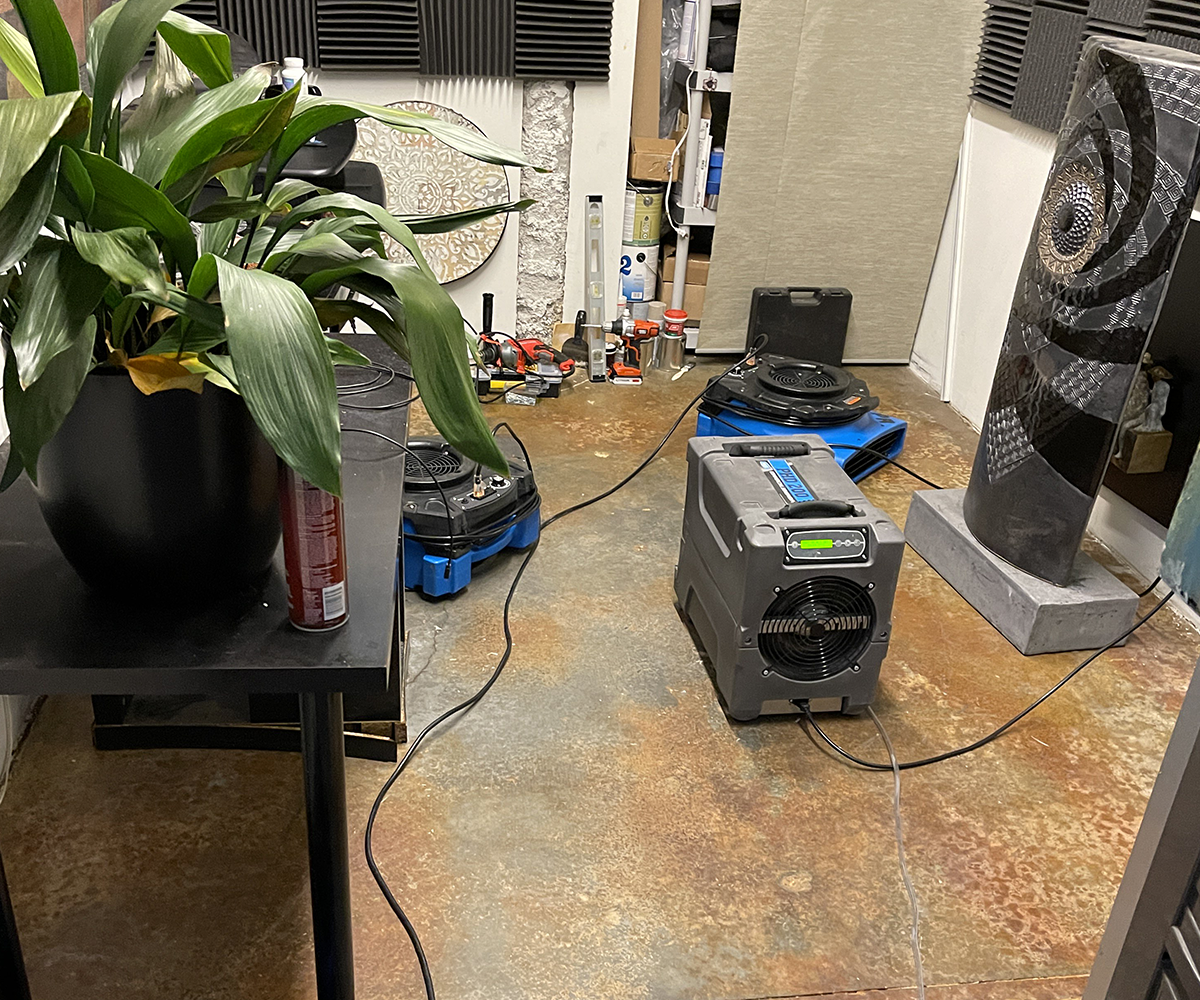
Indoor room with audio gear, a potted plant, and cables on the floor near a speaker and equipment rack
By pr-admin November 28, 2025
Water damage looks deceptively simple at first glance. Floors are wet, maybe a rug or two is soaked, and everything feels manageable with a few box fans. But structural drying is one of those situations where the surface rarely tells the full story. Understanding the difference between DIY vs. professional drying helps you avoid the... The post DIY vs. Professional Drying: When Fans Are Enough and When They’re Not first appeared on Premier Restorations.
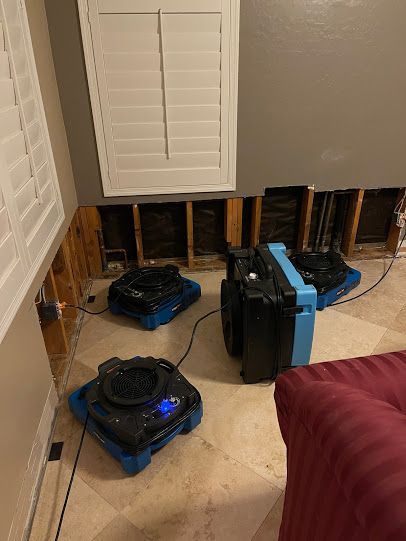
Two robotic vacuums near exposed wall studs in a room under renovation
By pr-admin November 12, 2025
Water damage feels overwhelming because it arrives fast and leaves a mess that unfolds slowly. The first hours after a leak, overflow, or storm event are critical—not just for minimizing damage, but also for protecting your safety and keeping your insurance claim clean. The most effective approach is to focus on a sequence: stabilize, document,... The post What to Do in the First 24 Hours After Water Damage at Home first appeared on Premier Restorations.

Show More →
