Sewer Backup vs. Clean Water Leaks: Why “Category” Changes Your Cleanup
pr-admin • October 14, 2025

October 14, 2025

Sewer Backup vs. Clean Water LeaksA leak may just look like water on the floor, but what’s in that water determines everything about the cleanup. Restoration teams classify water damage by “category,” and the difference between clean water and a sewer backup can mean the difference between a simple dry-out and a full-scale biohazard response.
Sewer Backup vs. Clean Water Leaks – A Breakdown of Categories

Category 1: Clean Water

Clean water comes from sources like broken supply lines, sink overflows, or appliance leaks. It’s the least dangerous and the easiest to clean up—at least if addressed quickly. If clean water sits for more than 24–48 hours, though, it can degrade into Category 2 or even Category 3 as bacteria begin to grow.

Category 2: Gray Water

Gray water contains some contaminants, often from washing machines, dishwashers, or sump pump failures. It isn’t immediately hazardous but can pose health risks with prolonged exposure. Cleanup usually involves drying, sanitizing, and sometimes removing affected materials to prevent mold and bacteria growth.

Category 3: Black Water

Category 3 water is the heavy hitter: sewage, storm runoff, and any water containing dangerous contaminants. Sewer backups fall squarely into this category. It’s unsafe to touch, and it requires specialized protective gear, disposal procedures, and often significant demolition. Proper remediation isn’t just about drying—it’s about fully removing harmful substances.

Sewer Backup vs. Clean Water Leaks – Why Classification Matters

The category determines everything: personal protective measures, cleanup protocols, drying time, what materials can be salvaged, and what must be replaced. Insurance companies rely on these classifications to determine coverage and scope of work, so proper documentation is crucial.

A Safe, Thorough Cleanup Starts Here

Whether it’s a burst pipe or a sewage backup, identifying the water category early sets the tone for the entire restoration. Acting quickly and bringing in certified professionals helps minimize damage and protect your health.

Talk to an expert to ensure your water damage is classified and cleaned up the right way.

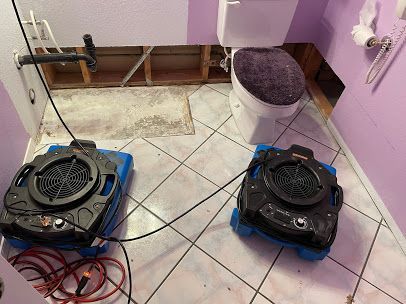
Two black floor machines on blue pads in a tiled room with exposed pipes and a bucket.
By pr-admin December 29, 2025
A sewage backup is one of the most stressful home emergencies because it’s not just messy—it’s a health concern. It’s also one of the situations where good intentions can lead to bigger problems if cleanup isn’t handled correctly. Sewage backup cleanup is different from “normal” water damage because contaminated water can carry bacteria, viruses, and... The post Sewage Backup Cleanup: What’s Safe, What’s Not, and When to Call a Pro first appeared on Premier Restorations.
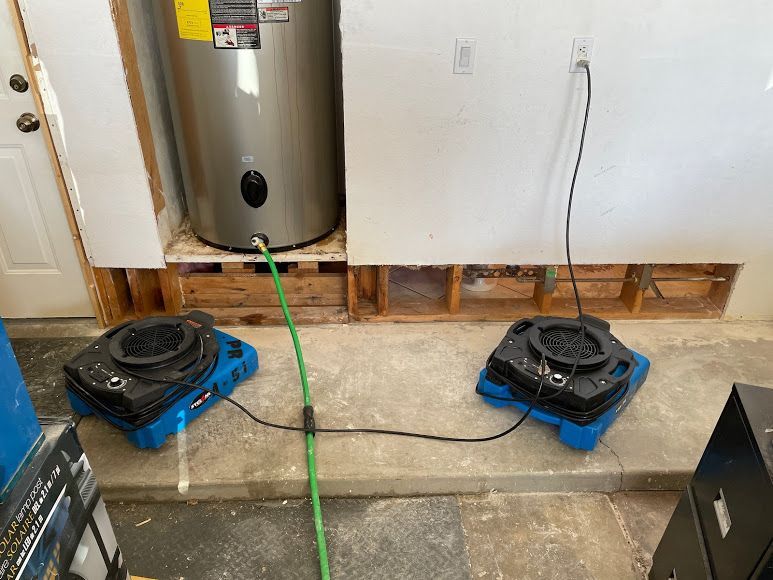
Two box fans on the floor beside a water heater and wall opening in a basement or utility room.
By pr-admin December 12, 2025
A water heater usually sits quietly in the background—until it doesn’t. When a leak starts, it can go from “a little puddle” to serious water damage faster than most homeowners expect, especially if the unit is tucked into a garage corner or a closet you don’t open often. Knowing the most common water heater leak... The post Water Heater Leak: Early Warning Signs and What to Do First first appeared on Premier Restorations.
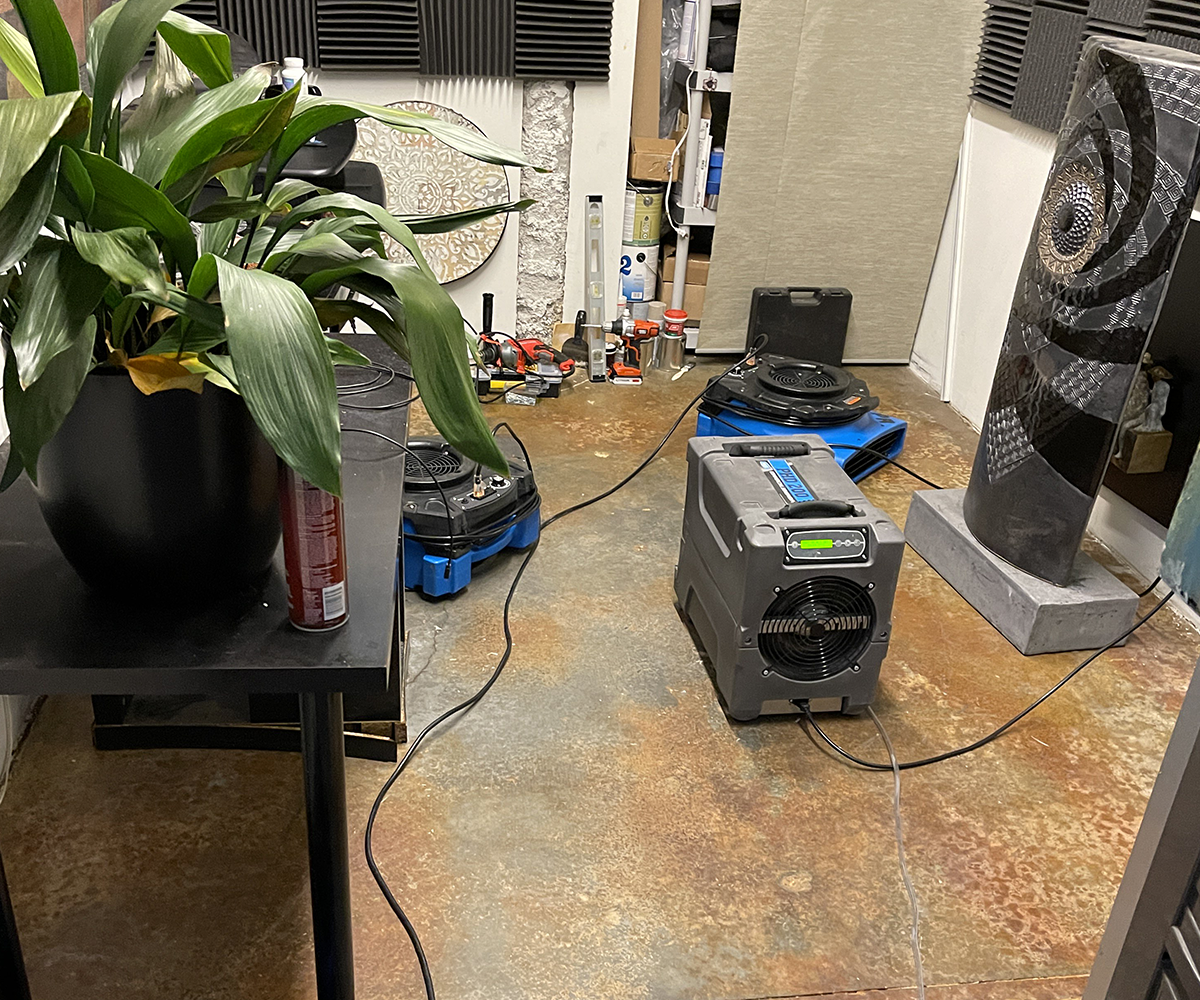
Indoor room with audio gear, a potted plant, and cables on the floor near a speaker and equipment rack
By pr-admin November 28, 2025
Water damage looks deceptively simple at first glance. Floors are wet, maybe a rug or two is soaked, and everything feels manageable with a few box fans. But structural drying is one of those situations where the surface rarely tells the full story. Understanding the difference between DIY vs. professional drying helps you avoid the... The post DIY vs. Professional Drying: When Fans Are Enough and When They’re Not first appeared on Premier Restorations.

Show More →
