Monsoon Season Home Prep Checklist
pr-admin • August 27, 2025

August 27, 2025

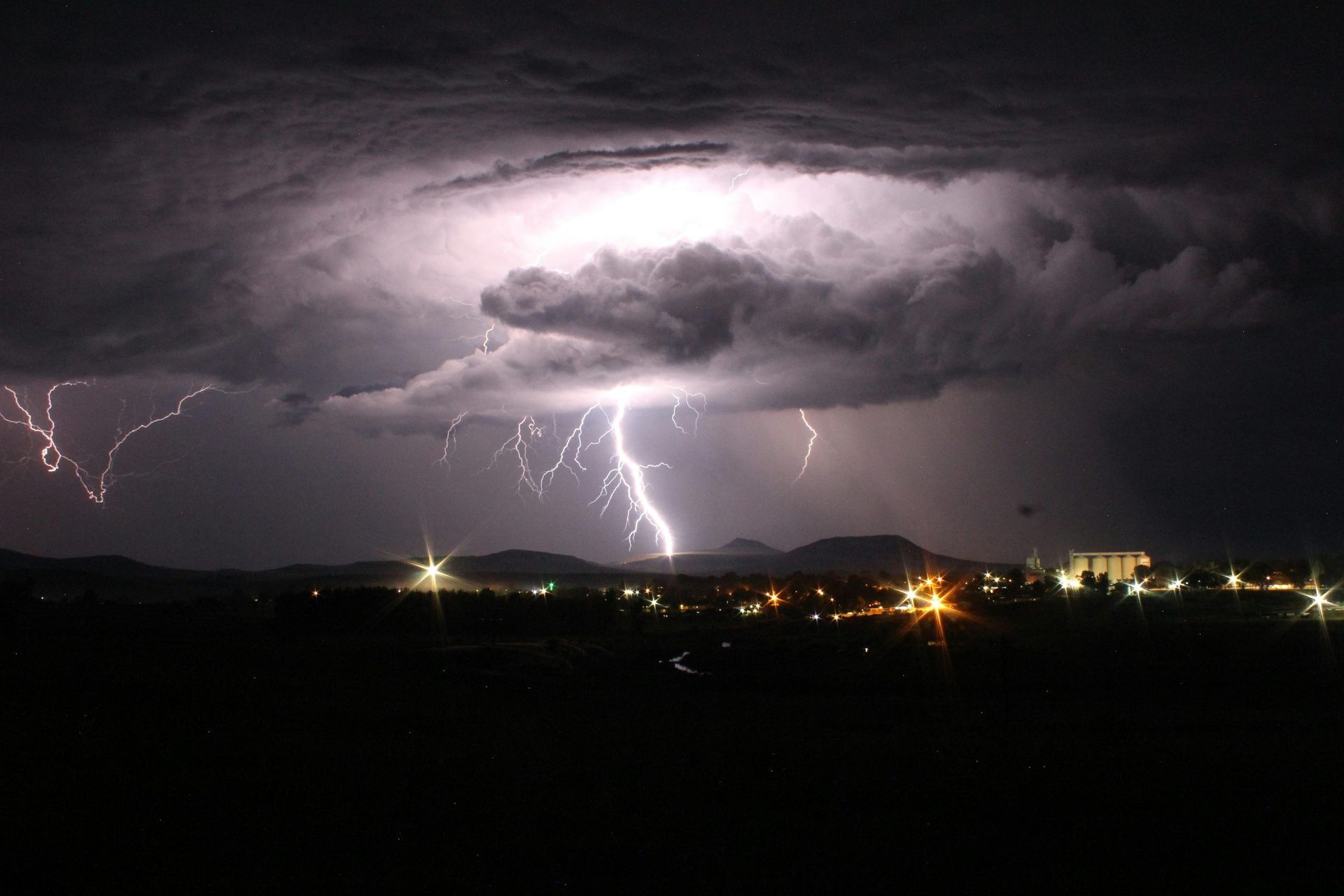
Night lightning storm over a city, with dark clouds and glowing lights on the horizonMonsoon season in the Valley is beautiful—it’s also a peak time for leaked foundations, soaked cabinets, and mold starts. Use this practical monsoon season home prep checklist to stay ahead of summer storms and water intrusion.
Monsoon Season – 5 Simple Steps to Fortify Your Home

1) Clean and Direct Gutters & Downspouts

Water cascading over full gutters or pooling near the foundation is a recipe for damp and damage. Keep those channels clear, and direct downspouts at least four feet away from the house – gravity does the work, not the soil.

2) Grade Matters for Monsoon Season – Check That Slope

Even a quarter-inch per foot slope away from the foundation keeps water from seeping. Run the hose at the house perimeter for a minute and walk it – watch how water moves. If it pools near the foundation, you have a grading issue.

3) Watch Your AC Drain Line

Bird nests, algae, and dust love to clog the AC’s condenser pan. That means water backs up and flows into your living space. Clean the pan regularly and consider a float switch that auto-shuts AC off when it overflows.

4) Seal Weak Flashing and Roof Openings

Valley winds launch rain sideways. Check and reinforce flashing around chimneys, roof-to-wall junctions, and window perimeters. A well-sealed roof stays dry even when the wind is wild.

5) Landscape Smart in Preparation for Monsoon Season – Avoid Soggy Boundaries

Mounds, turf swales, and overwatered soil create sitting water near the foundation. Trim back low plantings and slope the soil outward. If you irrigate, pause around your base during storms – or better yet, install smart shutoff valves that shut down with rain.

The Reality of Monsoon Water Intrusion

Even minor leaks breed mold and a damp crawlspace in days. Preventative care doesn’t just save cleanup – it saves drywall, cabinetry, insulation, and peace of mind. Plus, your home is ready to repel storms without emergency calls.

Feel confident going into monsoon season? Contact Premier Restorations for a quick quote and we’ll check your roof, drainage, and grading – ensuring fast prevention before the first drop lands.

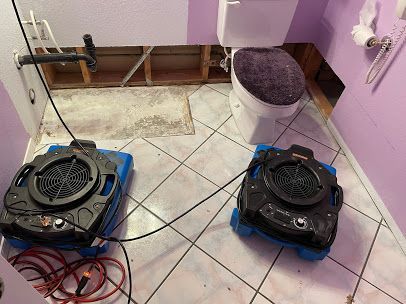
Two black floor machines on blue pads in a tiled room with exposed pipes and a bucket.
By pr-admin December 29, 2025
A sewage backup is one of the most stressful home emergencies because it’s not just messy—it’s a health concern. It’s also one of the situations where good intentions can lead to bigger problems if cleanup isn’t handled correctly. Sewage backup cleanup is different from “normal” water damage because contaminated water can carry bacteria, viruses, and... The post Sewage Backup Cleanup: What’s Safe, What’s Not, and When to Call a Pro first appeared on Premier Restorations.
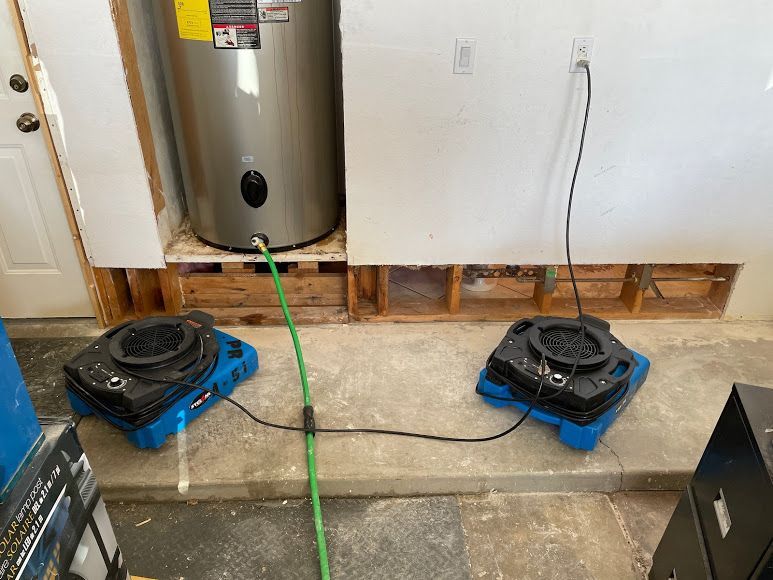
Two box fans on the floor beside a water heater and wall opening in a basement or utility room.
By pr-admin December 12, 2025
A water heater usually sits quietly in the background—until it doesn’t. When a leak starts, it can go from “a little puddle” to serious water damage faster than most homeowners expect, especially if the unit is tucked into a garage corner or a closet you don’t open often. Knowing the most common water heater leak... The post Water Heater Leak: Early Warning Signs and What to Do First first appeared on Premier Restorations.
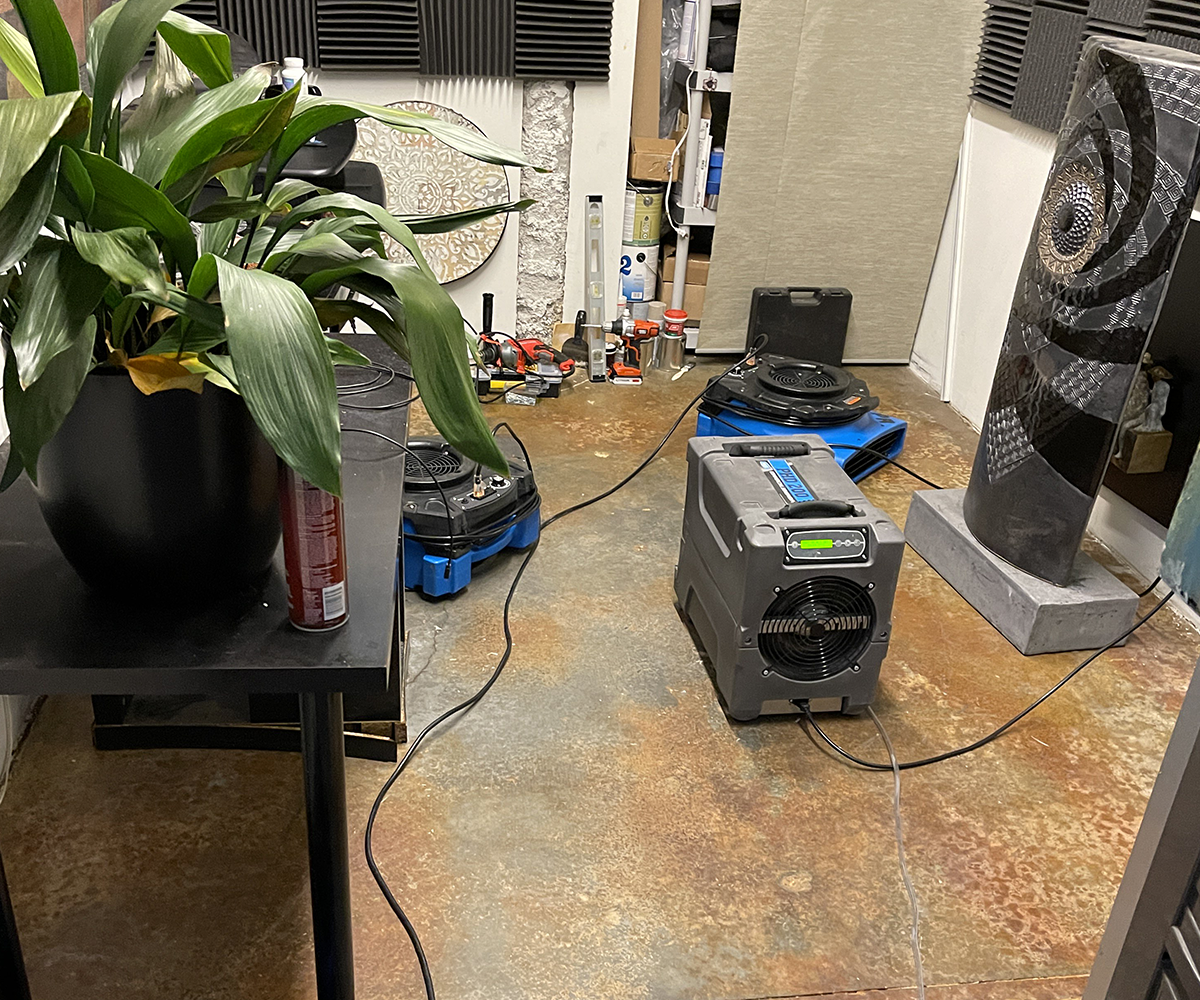
Indoor room with audio gear, a potted plant, and cables on the floor near a speaker and equipment rack
By pr-admin November 28, 2025
Water damage looks deceptively simple at first glance. Floors are wet, maybe a rug or two is soaked, and everything feels manageable with a few box fans. But structural drying is one of those situations where the surface rarely tells the full story. Understanding the difference between DIY vs. professional drying helps you avoid the... The post DIY vs. Professional Drying: When Fans Are Enough and When They’re Not first appeared on Premier Restorations.

Show More →
