What to Do in the First 24 Hours After Water Damage at Home
pr-admin • November 12, 2025

November 12, 2025

First 24 Hours After Water DamageWater damage feels overwhelming because it arrives fast and leaves a mess that unfolds slowly. The first hours after a leak, overflow, or storm event are critical—not just for minimizing damage, but also for protecting your safety and keeping your insurance claim clean. The most effective approach is to focus on a sequence: stabilize, document, and act quickly without overreaching. Here’s how to navigate the first 24 hours after water damage with clarity.
Start With Safety Checks

Before anything else, make sure the area is safe to enter. If water is near outlets, appliances, or the breaker panel, avoid stepping in and do not attempt to unplug or move anything. Shut off the water source if you can safely reach it. If the ceiling is sagging or you see bubbling paint, do not stand underneath it—water-logged drywall can collapse without warning. These early steps keep preventable injuries off the table.

Document Everything Methodically

Insurance companies care deeply about timelines and evidence, so documentation during the first 24 hours after water damage can meaningfully affect your claim. Take wide-angle photos of each affected room, then move closer for detail shots of flooring, walls, baseboards, belongings, and furniture. Record the water source if visible. A simple video walkthrough—slow, steady, and narrated—creates a reliable timestamp. Keep a running log with the date, time, and what you observed. This doesn’t need to be polished; it just needs to be complete.

Prevent the Water Damage From Spreading

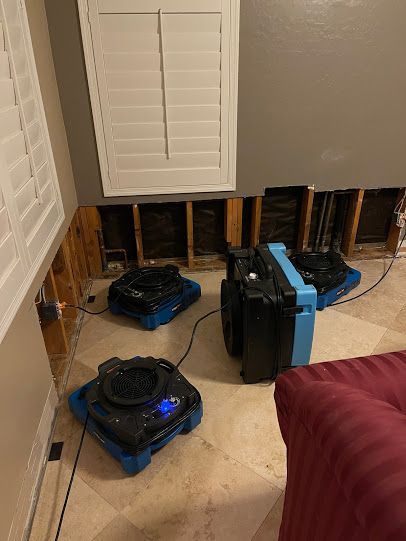
Once you’ve documented everything, there are safe steps you can take to limit the damage. Remove small items from the floor, lift curtains or drapes, and place foil or wooden blocks under furniture legs to avoid staining. If you have fans, turn them on, but avoid pointing them directly at wet drywall. If the weather allows, open windows to improve airflow. These measures slow moisture migration without interfering with the professional dry-out process.

Water Damage – Call a Restoration Professional Sooner Than Later

Water moves fast—into subflooring, under baseboards, behind cabinets. Even water that “looks like it dried” can leave moisture trapped where mold thrives. A restoration professional uses moisture meters, infrared imaging, and controlled airflow to dry the structure thoroughly. Calling within the first 24 hours helps ensure the damage is addressed before secondary issues form. It also helps with insurance, as carriers expect homeowners to act quickly to mitigate loss.

Understand What Can Wait

Not everything needs to happen right away. Avoid tearing out carpet, cutting drywall, or throwing away damaged items until a professional evaluates the extent of the damage. Premature demolition can complicate insurance documentation and may remove evidence adjusters need.

First 24 Hours After Water Damage – The First Day Sets the Tone

With the right steps, the first 24 hours after water damage become manageable. Prioritizing safety, documenting thoroughly, and bringing in a professional early gives you control over a stressful situation—and protects the long-term health of your home.

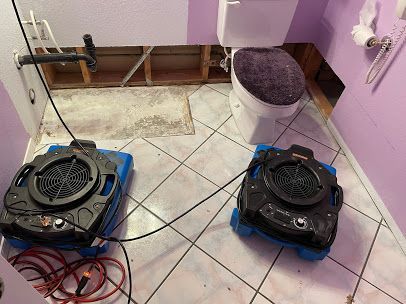
Two black floor machines on blue pads in a tiled room with exposed pipes and a bucket.
By pr-admin December 29, 2025
A sewage backup is one of the most stressful home emergencies because it’s not just messy—it’s a health concern. It’s also one of the situations where good intentions can lead to bigger problems if cleanup isn’t handled correctly. Sewage backup cleanup is different from “normal” water damage because contaminated water can carry bacteria, viruses, and... The post Sewage Backup Cleanup: What’s Safe, What’s Not, and When to Call a Pro first appeared on Premier Restorations.
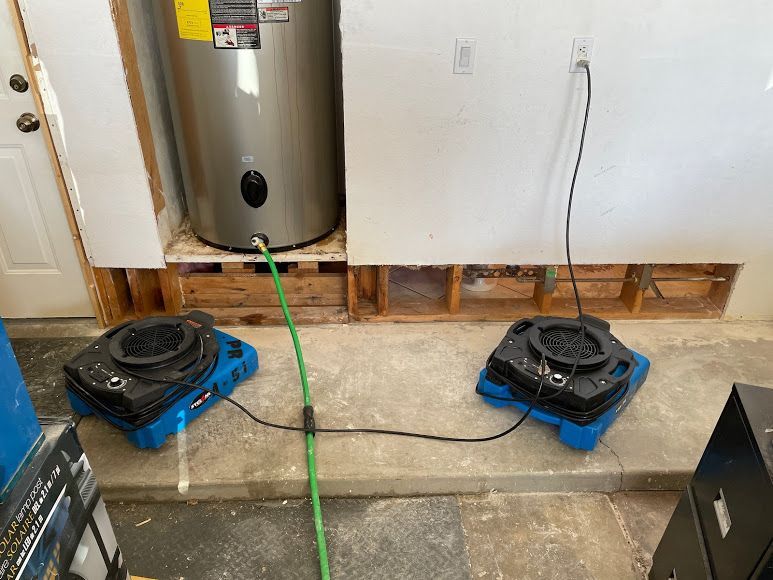
Two box fans on the floor beside a water heater and wall opening in a basement or utility room.
By pr-admin December 12, 2025
A water heater usually sits quietly in the background—until it doesn’t. When a leak starts, it can go from “a little puddle” to serious water damage faster than most homeowners expect, especially if the unit is tucked into a garage corner or a closet you don’t open often. Knowing the most common water heater leak... The post Water Heater Leak: Early Warning Signs and What to Do First first appeared on Premier Restorations.
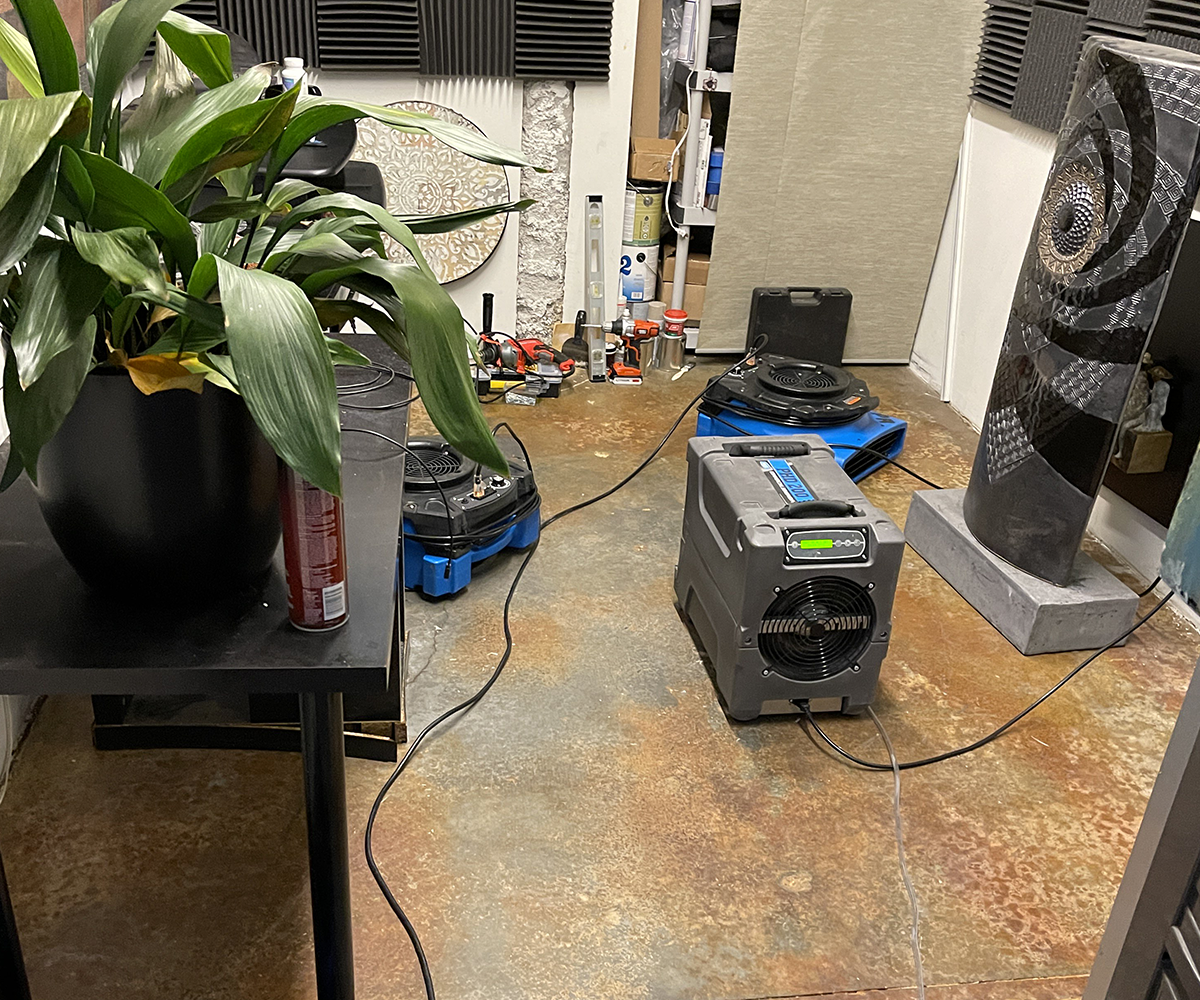
Indoor room with audio gear, a potted plant, and cables on the floor near a speaker and equipment rack
By pr-admin November 28, 2025
Water damage looks deceptively simple at first glance. Floors are wet, maybe a rug or two is soaked, and everything feels manageable with a few box fans. But structural drying is one of those situations where the surface rarely tells the full story. Understanding the difference between DIY vs. professional drying helps you avoid the... The post DIY vs. Professional Drying: When Fans Are Enough and When They’re Not first appeared on Premier Restorations.

Show More →
